Boulevards, bridges, and bright rooftops
A moving balcony over two millennia of Parisian life.
Table of Contents
Omnibus beginnings & Paris’s grand redesign
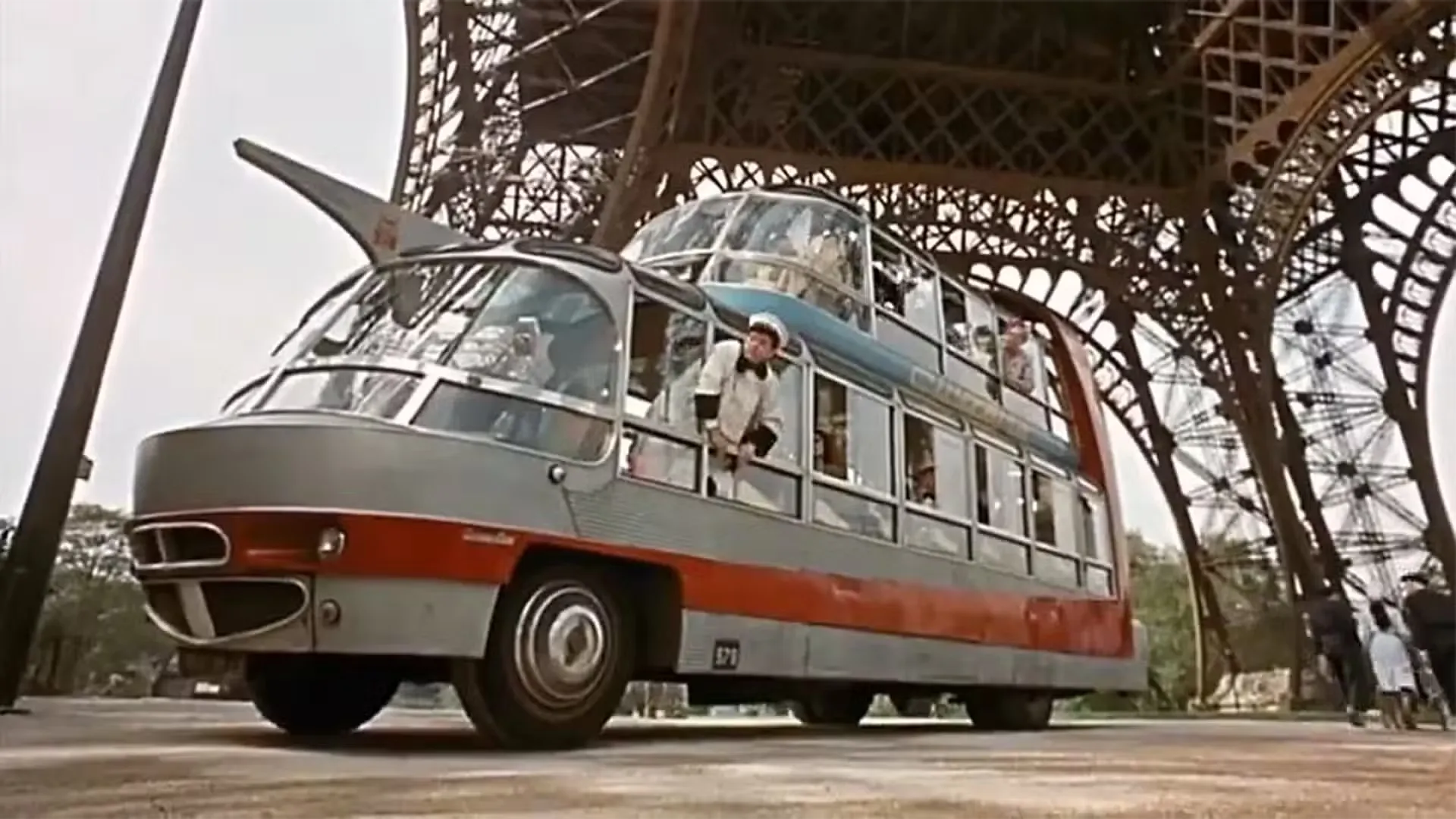
Before the bright red and yellow buses, Paris moved by omnibus — horse‑drawn carriages trundling along emerging routes in the 19th century. Then came Haussmann, whose sweeping redesign cut broad boulevards through medieval streets, framed sightlines to monuments, and created the long, stately avenues that would one day feel made for panoramic buses.
As motor buses replaced horses, Parisians found themselves on moving balconies: bridges sliding past, façades unfolding like a film reel. The city that once demanded footwork now offered a gentle glide — and visitors began to realize that a seat on the top deck, hair tugged by the wind, was its own kind of Parisian theater.
From transport to sightseeing: the open‑top idea
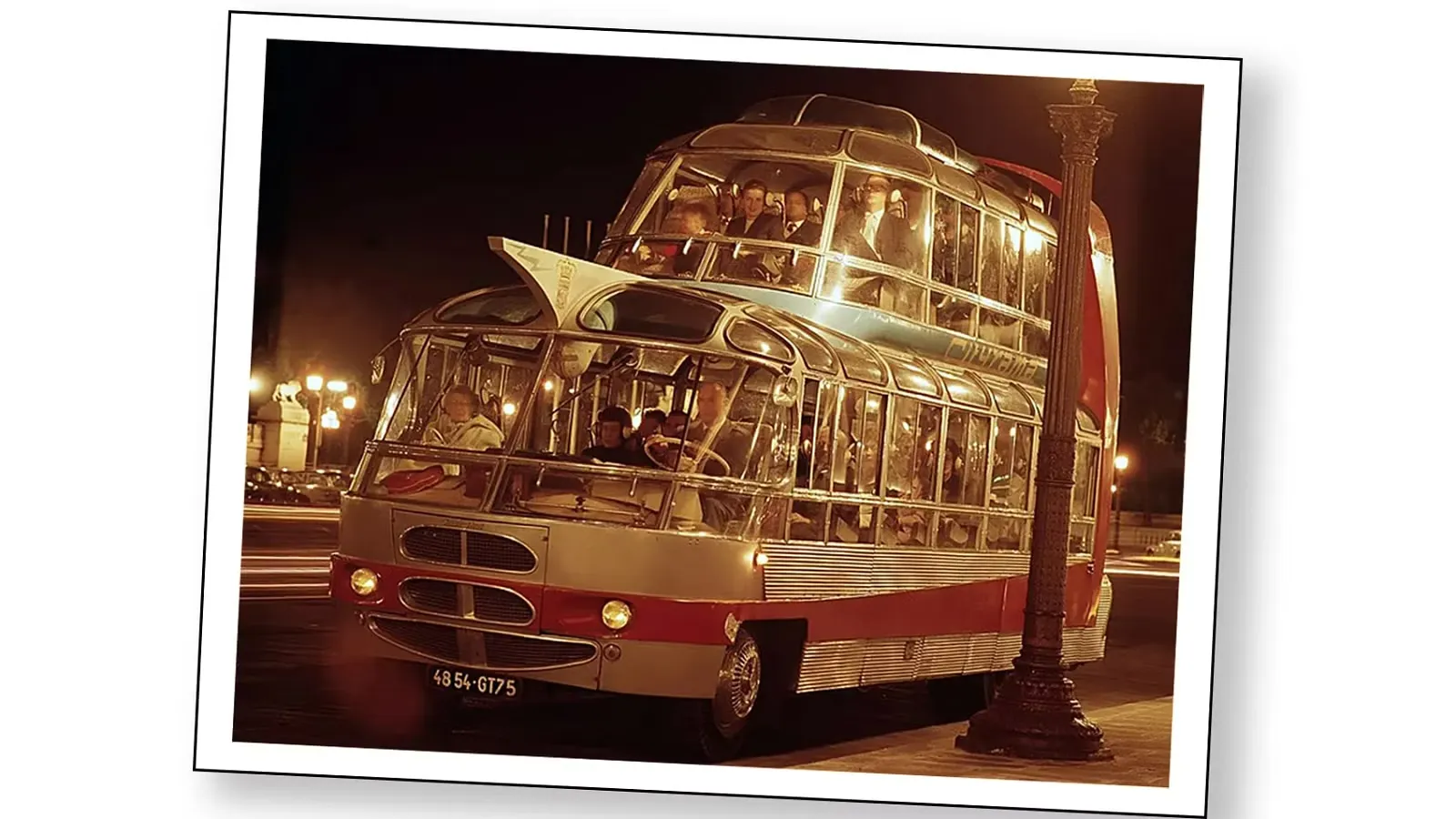
Open‑top buses weren’t invented for tourism, but Paris proved how perfect they were for it. As routes stitched together the Right and Left Banks, operators curated loops that told a story: the Iron Lady and the river, the Tuileries and the glass canopy of the Grand Palais, café terraces and bookstalls, grand bridges and little corners that skim by with a wink.
Today’s hop‑on hop‑off model keeps the soul of that early discovery — flexibility. You control the tempo: pause for a museum, linger over a crêpe, chase a side street, then rejoin the city’s parade from the next stop. The bus is not a lecture; it’s a friendly thread tying together your own chapters of Paris.
Landmarks along the loops: a city in chapters
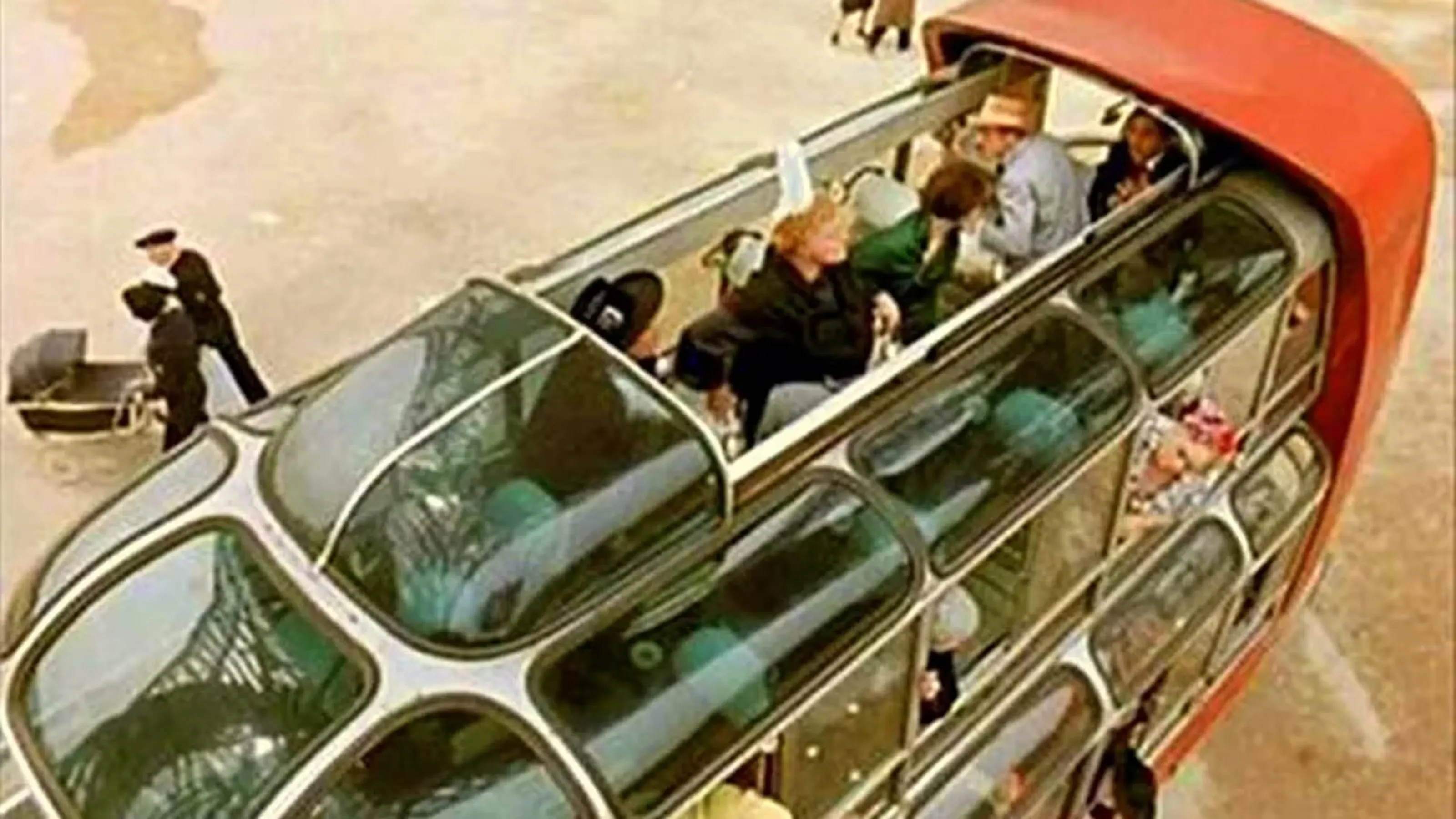
The classic loop moves like a compass around the essentials: Trocadéro to Eiffel Tower, across the Seine to Invalides, skimming the Grand and Petit Palais, sweeping down the Champs‑Élysées to the Arc de Triomphe, then along to Opéra, the Louvre and the Tuileries, the Île de la Cité with Notre‑Dame, and back along the Left Bank towards Musée d’Orsay.
Each stop is a doorstep to more: climb the Arc for rooftop views, drift through the Louvre’s courtyards, follow the river to a bookshop. The loop isn’t a constraint — it’s an invitation to step off, look closer, and return when the city calls you onward.
Audio guides: Paris in many languages
Audio guides keep pace with the view: short, lively stories that match the skyline — royal plots and revolutions, art salons and expositions, gossip about domes and bridges, and how a tower meant to be temporary became Paris’s permanent exclamation mark.
Commentary runs in multiple languages, often with a children’s channel. Bring your own headphones for comfort and clearer sound; most operators also provide disposable earphones if you forget.
Stops, routes & the rhythm of the day
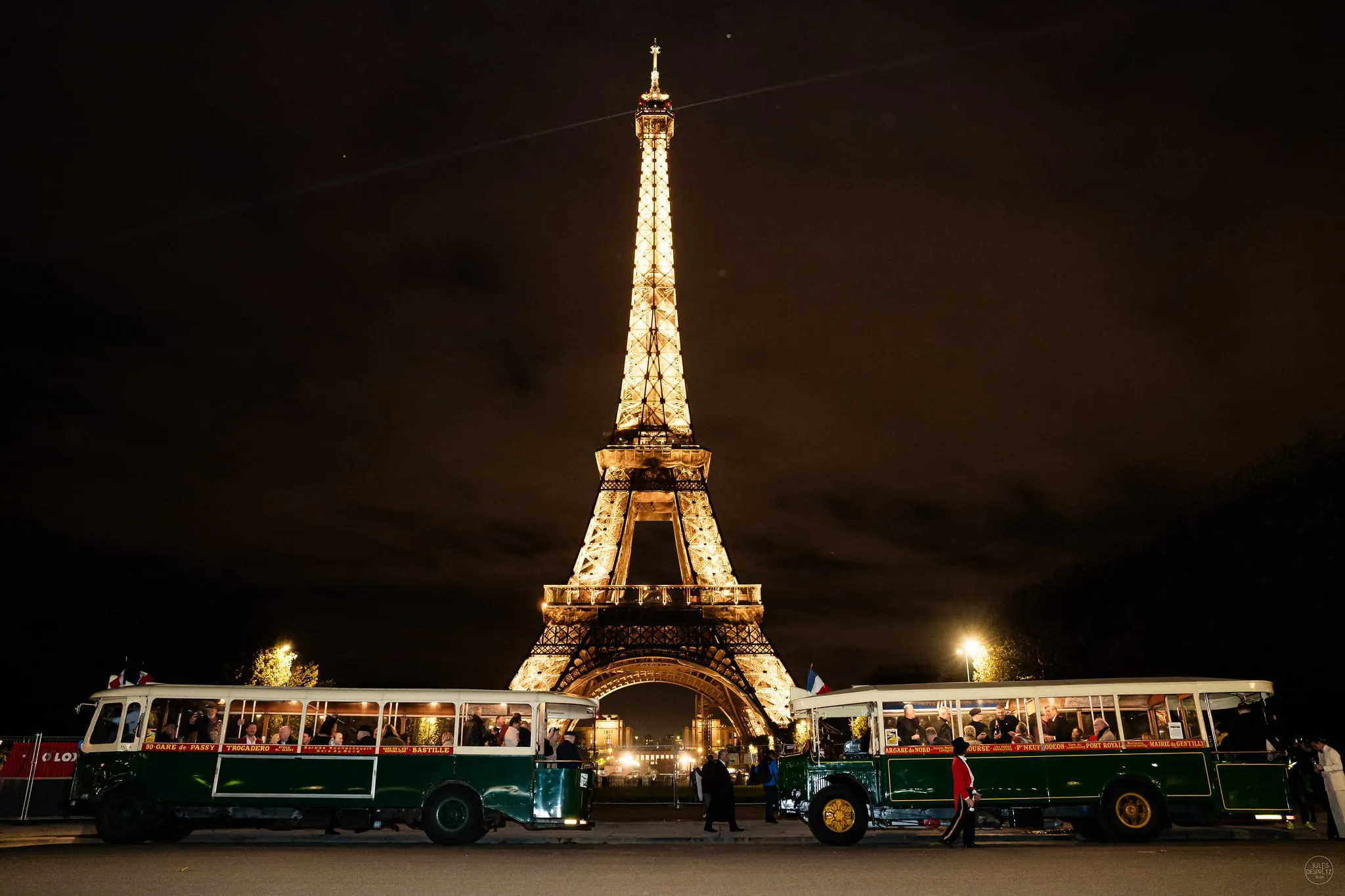
Buses arrive every few minutes in high season and a bit slower in winter. Traffic, events, and weather shape the rhythm — don’t worry, the live map shows the next bus and any temporary diversions so you can decide whether to ride or wander a little longer.
Some passes include multiple loops or connectors, such as links towards Montmartre or evening circuits for the city lights. Swap decks with the weather: upstairs for views, downstairs for warmth.
Crafting the experience: seats, views, and seasons
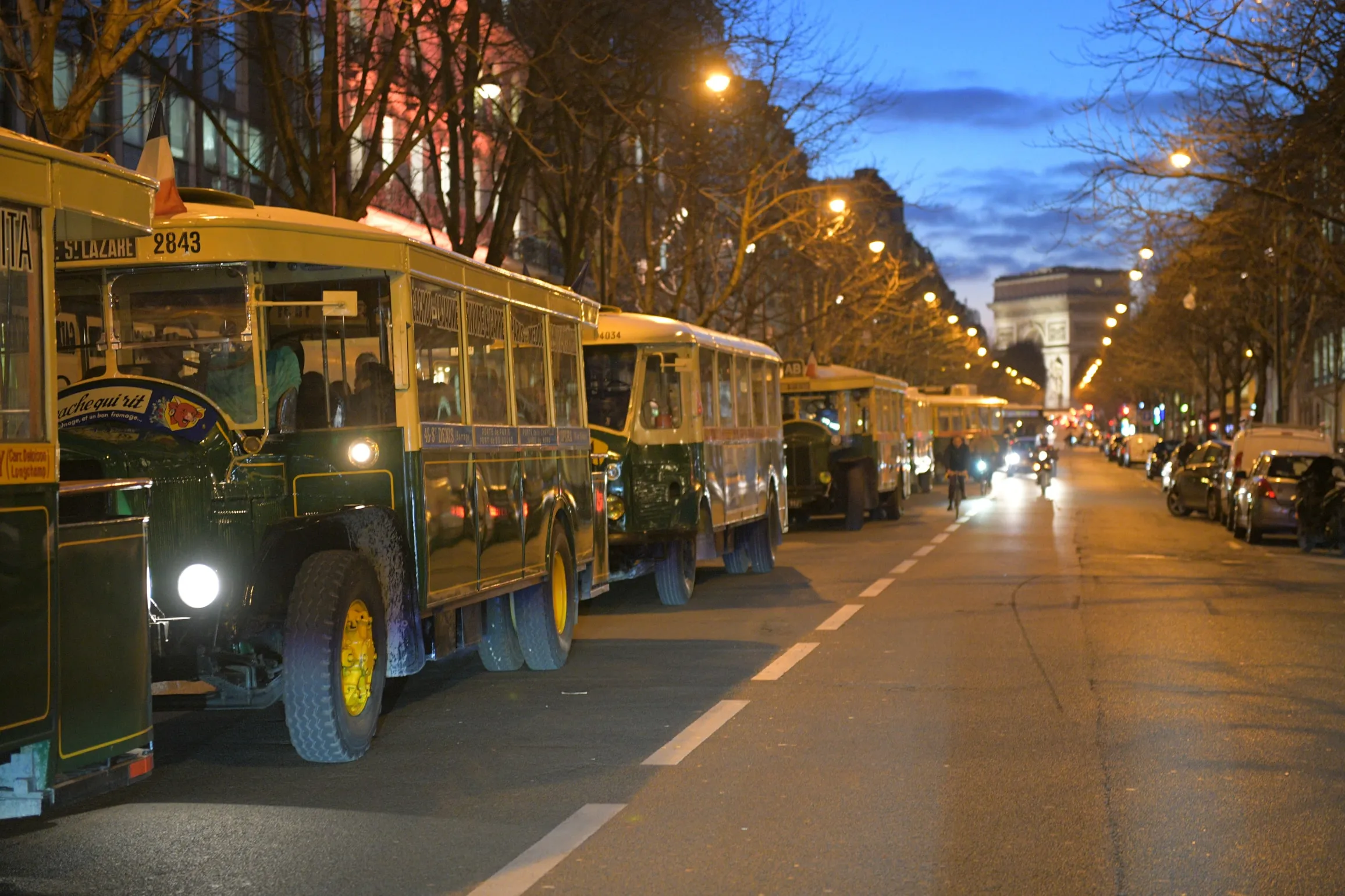
Front‑row, top‑deck seats are the coveted camera spots, but every seat tells a different story — curbside for shop windows and café life, river side for bridges and quays. On windy days, a light scarf is a small luxury.
Paris changes clothes with the seasons: spring blossoms along the Seine, summer’s golden evenings, autumn leaves on the boulevards, and winter’s crisp light. The bus simply frames it all for you, at just the right pace.
Tickets, passes & smart combinations
Most travelers choose 24 or 48‑hour passes; 72‑hour options suit slower trips. Combo tickets bundle a Seine cruise or a night tour for a good‑value ‘land + river + lights’ trifecta.
Activation starts on first scan, not at purchase. Keep your QR code handy, and consider booking peak dates in advance to secure your preferred start time.
Accessibility, safety & comfort on board
Modern fleets include wheelchair spaces and ramps; staff can assist with boarding. Strollers fold easily; luggage is best kept light and close at hand.
For comfort, pack water, sunscreen, and layers. On rainy days, the top deck may have a retractable cover; downstairs seating stays dry and warm.
Festivals, parades & the city in motion
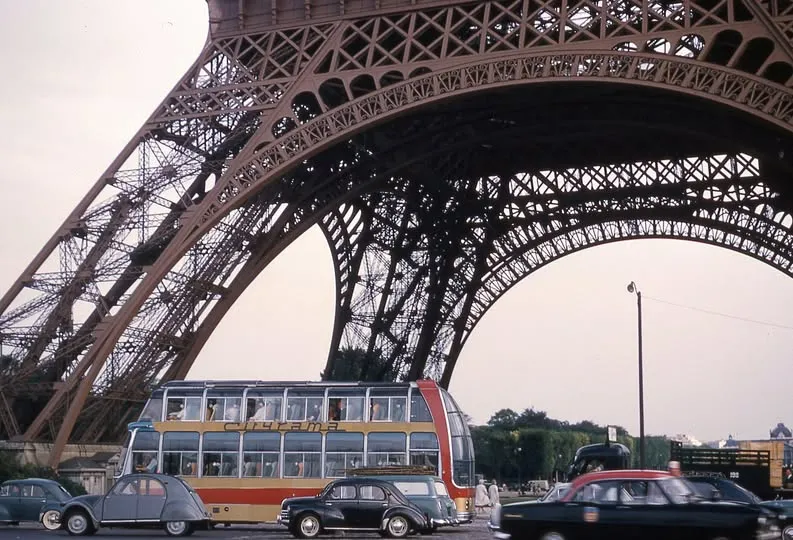
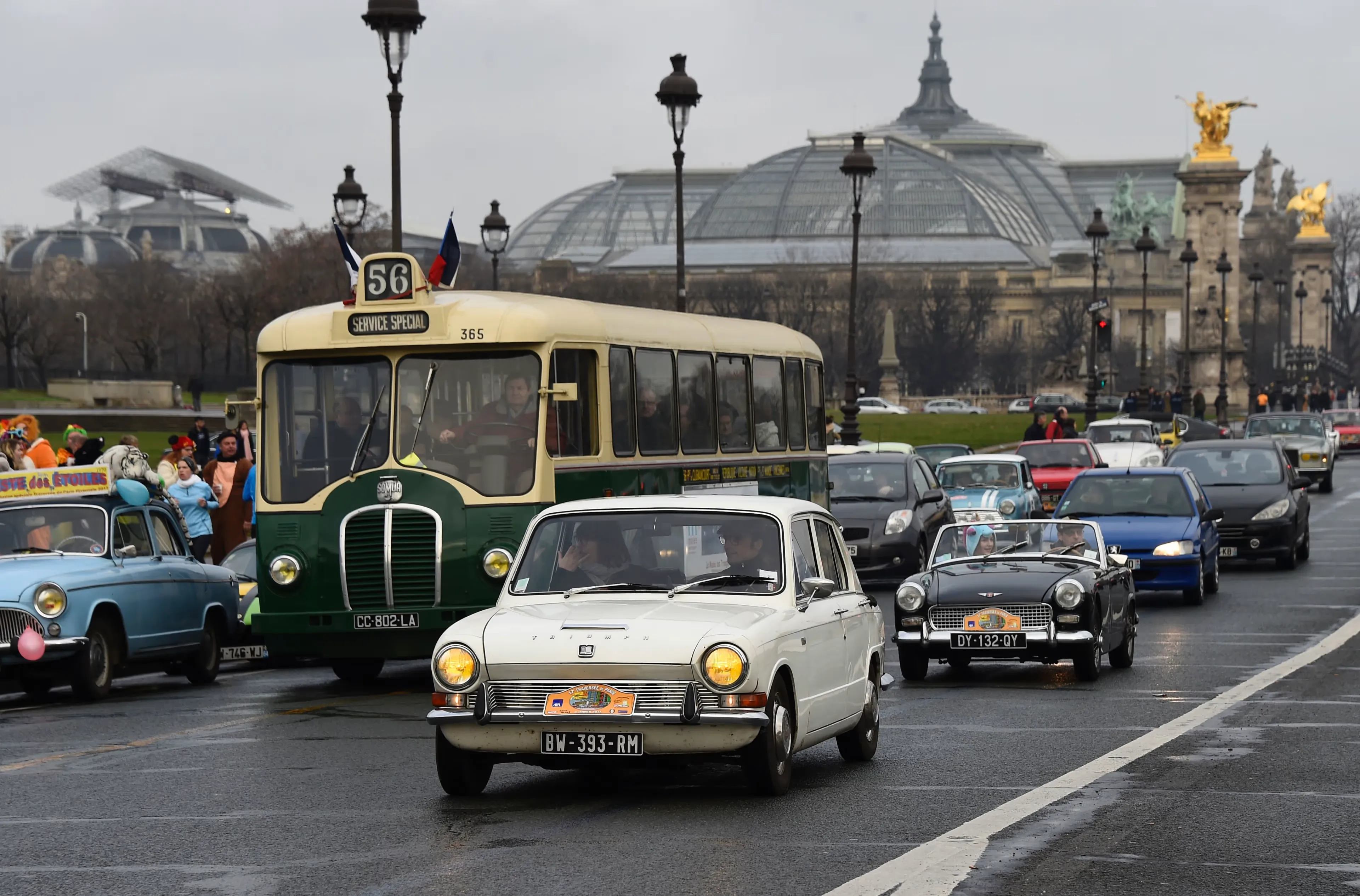
Paris loves a parade — Bastille Day, marathons, cycling races, and holiday markets reshape traffic. When this happens, routes adapt rather than stop; the loop bends gracefully and your day continues.
Diversions can be a secret treat: you’ll glimpse side streets and unexpected corners most visitors never see from a bus window.
Night lights & river reflections
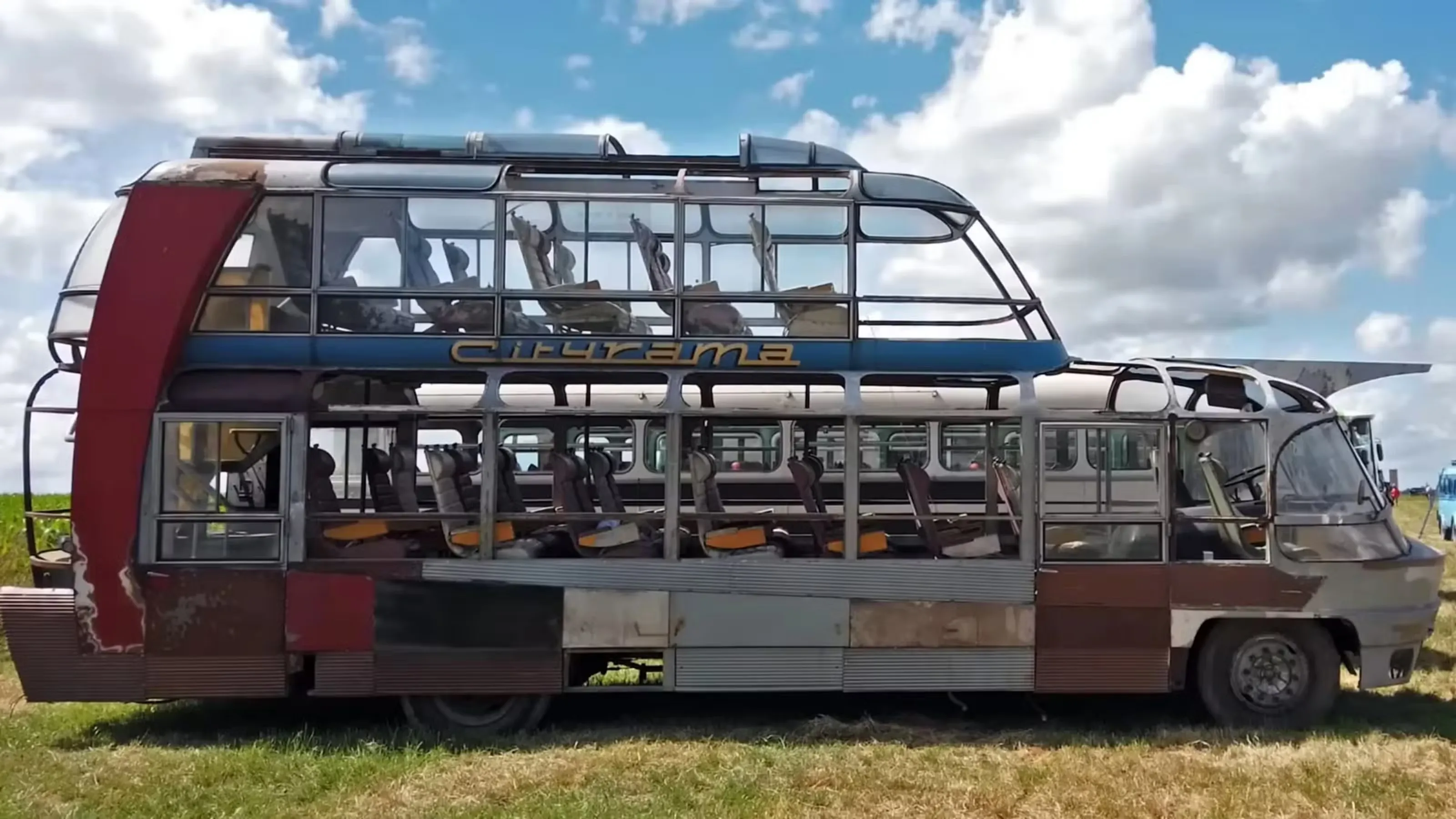
A night tour is Paris in sequins — monuments glowing, bridges laced with light, and café neon flickering over pavements. Sit back and watch the city change outfits.
Pair it with a 1‑hour Seine cruise to float under the same bridges you just rolled over — two perspectives, one easy evening.
Sustainability on the streets of Paris
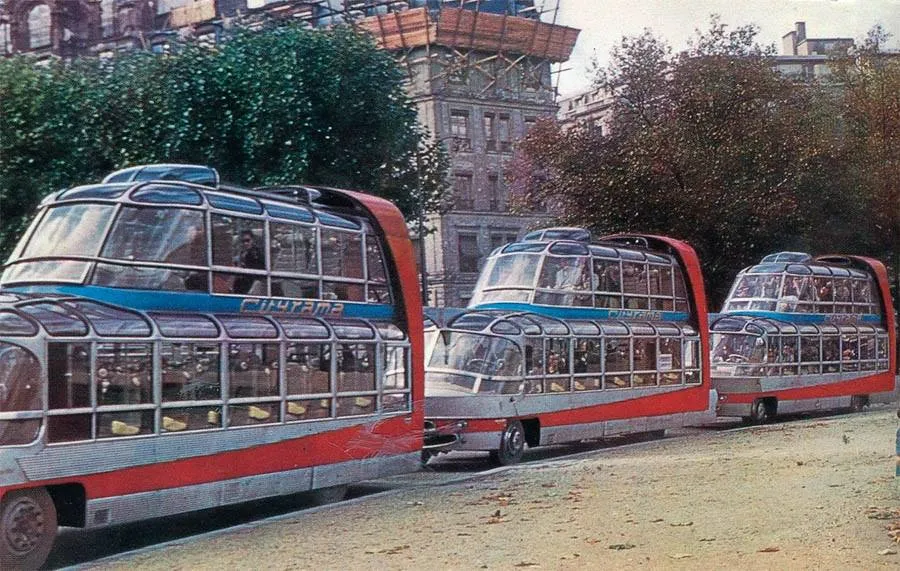
Operators are shifting towards cleaner fleets — electric and low‑emission buses mean quieter streets and clearer air along the routes.
Choosing a shared, fixed loop can also reduce one‑off car trips between far‑flung sights — a small win that scales across a busy city.
Beyond the center: Montmartre and more
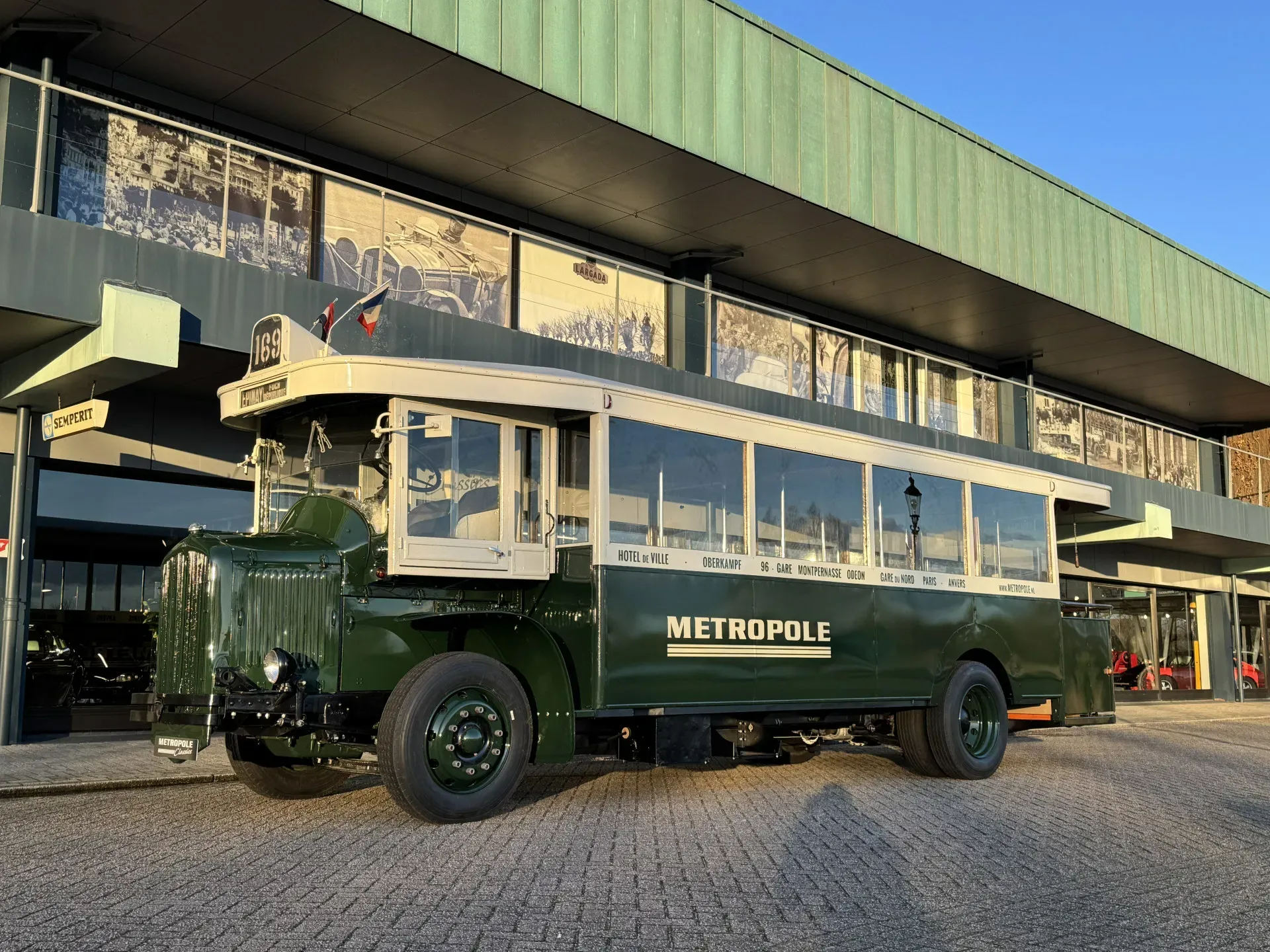
Some services or add‑on shuttles bring you closer to Montmartre — a hilltop village with sweeping views, playful stairways, and the white domes of Sacré‑Cœur.
Other connectors head towards the modern skyline at La Défense or deeper into the Left Bank — optional chapters if you have time to spare.
Why hop‑on hop‑off still matters
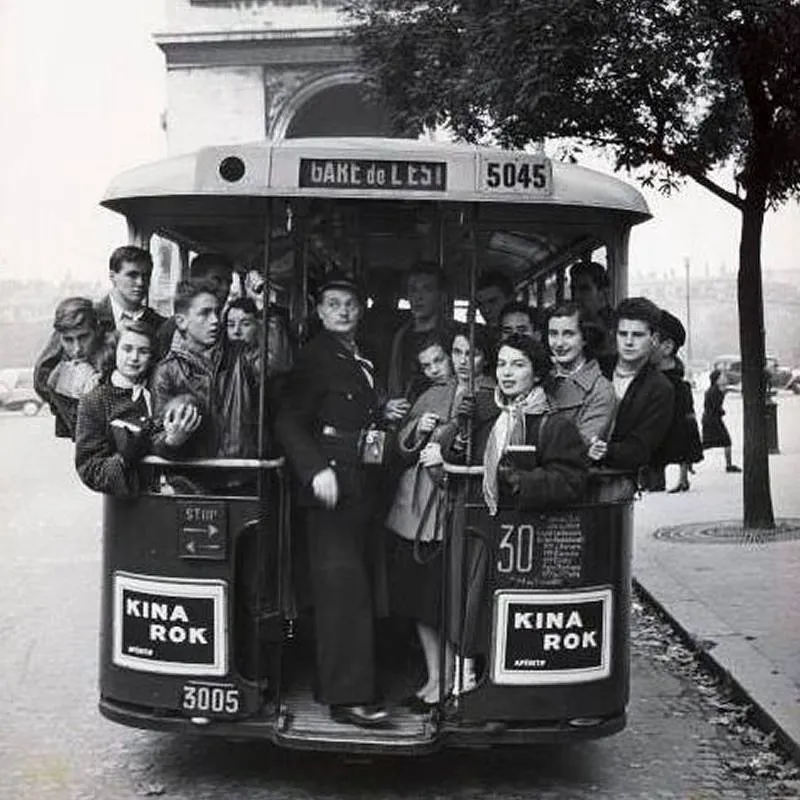
In a city with endless choice, hop‑on hop‑off brings calm and clarity. It turns logistics into leisure, letting first‑timers grasp the layout and repeat visitors enjoy a slower, more scenic day.
Consider it a moving introduction: a gentle way to meet Paris, then follow your curiosity wherever it leads — and always with a seat waiting when you’re ready to ride again.
Table of Contents
Omnibus beginnings & Paris’s grand redesign
Before the bright red and yellow buses, Paris moved by omnibus — horse‑drawn carriages trundling along emerging routes in the 19th century. Then came Haussmann, whose sweeping redesign cut broad boulevards through medieval streets, framed sightlines to monuments, and created the long, stately avenues that would one day feel made for panoramic buses.
As motor buses replaced horses, Parisians found themselves on moving balconies: bridges sliding past, façades unfolding like a film reel. The city that once demanded footwork now offered a gentle glide — and visitors began to realize that a seat on the top deck, hair tugged by the wind, was its own kind of Parisian theater.
From transport to sightseeing: the open‑top idea
Open‑top buses weren’t invented for tourism, but Paris proved how perfect they were for it. As routes stitched together the Right and Left Banks, operators curated loops that told a story: the Iron Lady and the river, the Tuileries and the glass canopy of the Grand Palais, café terraces and bookstalls, grand bridges and little corners that skim by with a wink.
Today’s hop‑on hop‑off model keeps the soul of that early discovery — flexibility. You control the tempo: pause for a museum, linger over a crêpe, chase a side street, then rejoin the city’s parade from the next stop. The bus is not a lecture; it’s a friendly thread tying together your own chapters of Paris.
Landmarks along the loops: a city in chapters
The classic loop moves like a compass around the essentials: Trocadéro to Eiffel Tower, across the Seine to Invalides, skimming the Grand and Petit Palais, sweeping down the Champs‑Élysées to the Arc de Triomphe, then along to Opéra, the Louvre and the Tuileries, the Île de la Cité with Notre‑Dame, and back along the Left Bank towards Musée d’Orsay.
Each stop is a doorstep to more: climb the Arc for rooftop views, drift through the Louvre’s courtyards, follow the river to a bookshop. The loop isn’t a constraint — it’s an invitation to step off, look closer, and return when the city calls you onward.
Audio guides: Paris in many languages
Audio guides keep pace with the view: short, lively stories that match the skyline — royal plots and revolutions, art salons and expositions, gossip about domes and bridges, and how a tower meant to be temporary became Paris’s permanent exclamation mark.
Commentary runs in multiple languages, often with a children’s channel. Bring your own headphones for comfort and clearer sound; most operators also provide disposable earphones if you forget.
Stops, routes & the rhythm of the day
Buses arrive every few minutes in high season and a bit slower in winter. Traffic, events, and weather shape the rhythm — don’t worry, the live map shows the next bus and any temporary diversions so you can decide whether to ride or wander a little longer.
Some passes include multiple loops or connectors, such as links towards Montmartre or evening circuits for the city lights. Swap decks with the weather: upstairs for views, downstairs for warmth.
Crafting the experience: seats, views, and seasons
Front‑row, top‑deck seats are the coveted camera spots, but every seat tells a different story — curbside for shop windows and café life, river side for bridges and quays. On windy days, a light scarf is a small luxury.
Paris changes clothes with the seasons: spring blossoms along the Seine, summer’s golden evenings, autumn leaves on the boulevards, and winter’s crisp light. The bus simply frames it all for you, at just the right pace.
Tickets, passes & smart combinations
Most travelers choose 24 or 48‑hour passes; 72‑hour options suit slower trips. Combo tickets bundle a Seine cruise or a night tour for a good‑value ‘land + river + lights’ trifecta.
Activation starts on first scan, not at purchase. Keep your QR code handy, and consider booking peak dates in advance to secure your preferred start time.
Accessibility, safety & comfort on board
Modern fleets include wheelchair spaces and ramps; staff can assist with boarding. Strollers fold easily; luggage is best kept light and close at hand.
For comfort, pack water, sunscreen, and layers. On rainy days, the top deck may have a retractable cover; downstairs seating stays dry and warm.
Festivals, parades & the city in motion
Paris loves a parade — Bastille Day, marathons, cycling races, and holiday markets reshape traffic. When this happens, routes adapt rather than stop; the loop bends gracefully and your day continues.
Diversions can be a secret treat: you’ll glimpse side streets and unexpected corners most visitors never see from a bus window.
Night lights & river reflections
A night tour is Paris in sequins — monuments glowing, bridges laced with light, and café neon flickering over pavements. Sit back and watch the city change outfits.
Pair it with a 1‑hour Seine cruise to float under the same bridges you just rolled over — two perspectives, one easy evening.
Sustainability on the streets of Paris
Operators are shifting towards cleaner fleets — electric and low‑emission buses mean quieter streets and clearer air along the routes.
Choosing a shared, fixed loop can also reduce one‑off car trips between far‑flung sights — a small win that scales across a busy city.
Beyond the center: Montmartre and more
Some services or add‑on shuttles bring you closer to Montmartre — a hilltop village with sweeping views, playful stairways, and the white domes of Sacré‑Cœur.
Other connectors head towards the modern skyline at La Défense or deeper into the Left Bank — optional chapters if you have time to spare.
Why hop‑on hop‑off still matters
In a city with endless choice, hop‑on hop‑off brings calm and clarity. It turns logistics into leisure, letting first‑timers grasp the layout and repeat visitors enjoy a slower, more scenic day.
Consider it a moving introduction: a gentle way to meet Paris, then follow your curiosity wherever it leads — and always with a seat waiting when you’re ready to ride again.